How Coverage Foreign Inheritance to IRS Works: Key Insights and Standards for Tax Obligation Coverage
Maneuvering the complexities of reporting international inheritance to the IRS can be difficult. There are specific limits and kinds that people need to recognize to assure conformity. Inheritances going beyond $100,000 from non-resident aliens call for certain attention. Failure to comply with these guidelines might result in charges. Understanding the nuances of tax implications and required documents is vital. The complying with sections will certainly lay out necessary understandings and guidelines for effective tax obligation coverage.
Comprehending Foreign Inheritance and Its Tax Ramifications
When individuals get an inheritance from abroad, it is vital for them to comprehend the associated tax obligation ramifications. In the USA, acquired properties are usually not subject to income tax, however the estate from which the inheritance comes may have certain tax obligations. International inheritances can complicate matters, as different countries have varying guidelines pertaining to estate taxes. Individuals should understand that while they may not owe tax obligations on the inheritance itself, they may be in charge of reporting the value of the international asset to the Irs (IRS) Additionally, currency exchange rates and evaluation methods can influence the reported worth of the inheritance. Comprehending these elements is critical to avoid unexpected tax obligations. Looking for assistance from a tax specialist seasoned in worldwide inheritance laws can provide clarity and assurance conformity with both U.S. and international tax requirements.

Coverage Needs for Inherited Foreign Possessions
The coverage demands for inherited foreign assets involve specific limits and restrictions that taxpayers must understand. Conformity with IRS policies necessitates the proper tax types and recognition of prospective penalties for failure to report. Comprehending these aspects is vital for individuals getting foreign inheritances to prevent lawful complications.
Reporting Thresholds and Limits
While passing through the complexities of acquired foreign properties, comprehending the reporting thresholds and restrictions set by the IRS is vital for conformity. The IRS requireds that united state taxpayers report foreign inheritances exceeding $100,000 from foreign estates or non-resident aliens. This restriction applies to the overall worth of the inheritance, incorporating all properties received, such as money, property, and financial investments. Furthermore, any type of foreign economic accounts totaling over $10,000 have to be reported on the Foreign Financial Institution Account Report (FBAR) Failure to stick to these limits can result in considerable charges. It is crucial for taxpayers to accurately assess the value of inherited international assets to ensure prompt and compliant reporting to the IRS
Tax Forms Introduction
Penalties for Non-Compliance
Failing to abide by coverage demands for acquired foreign properties can lead to significant fines for united state taxpayers. The IRS implements strict laws regarding the disclosure of international inheritances, and failings can bring about fines that are often substantial. As an example, taxpayers might encounter a penalty of up to $10,000 for failing to file Type 3520, which reports foreign presents and inheritances exceeding $100,000. Additionally, proceeded non-compliance can intensify fines, possibly reaching up to 35% of the worth of the inherited property. Furthermore, failing to report can likewise activate much more extreme effects, including criminal costs for unyielding forget. Taxpayers need to remain vigilant to stay clear of these consequences by making sure accurate and prompt reporting of foreign inheritances.
Secret Types and Documentation Needed
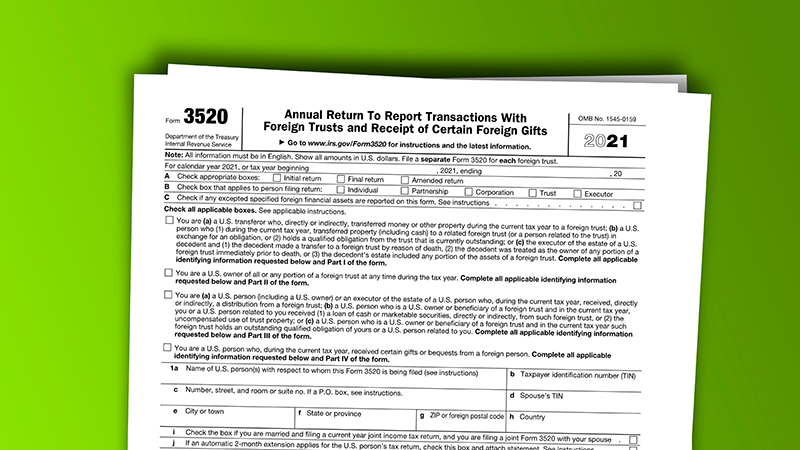
When a private gets a foreign inheritance, it is vital to recognize the crucial kinds and documentation required for conformity with IRS guidelines. The main kind needed is the IRS Form 3520, which should be submitted to report the receipt of the foreign inheritance. This kind provides thorough info regarding the inheritance, including the identification of the foreign decedent and the value of the inherited possessions.
Additionally, if the acquired residential or commercial property consists of international savings account or various other monetary properties, the individual may require to file the Foreign Savings account Record (FBAR), FinCEN Form 114, click reference if the overall worth exceeds $10,000. Appropriate paperwork, such as the will or estate files from the international jurisdiction, need to likewise be collected to validate the inheritance case. Keeping thorough documents of all transactions and interactions associated with the inheritance is essential for precise coverage and compliance with IRS demands.
Tax Treaties and Their Influence On Inheritance Tax Obligation

Recognizing the effects of tax treaties is essential for individuals obtaining international inheritances, as these arrangements can considerably impact the tax obligation commitments related to acquired possessions. Form 3520 foreign gift. Tax obligation treaties in between nations typically provide details standards on just how inheritances are exhausted, which can lead to minimized tax obligation responsibilities or exemptions. A treaty might specify that particular types of inheritances are not subject to tax in the recipient's country, or it might allow for credit reports against tax obligations paid abroad.
Individuals must familiarize themselves with the particular stipulations of appropriate treaties, as they can vary considerably. This knowledge helps assure conformity with tax regulations while maximizing possible advantages. In addition, understanding how treaties engage with residential regulations is vital to accurately report international inheritances to the IRS. Consulting with a tax obligation expert well-versed in global tax obligation legislation might be a good idea to browse these intricate laws successfully.
Common Mistakes to Avoid When Reporting Inheritance
Numerous people think they can easily browse the complexities of reporting foreign inheritances, they typically ignore crucial details that can lead to substantial mistakes. One typical error is stopping working to report the inheritance in the proper tax obligation year, which can result in charges. Furthermore, some individuals forget to transform foreign assets into U.S. bucks at the ideal currency exchange rate, ultimately misrepresenting their value. Another frequent oversight includes misinterpreting the reporting thresholds; people might think they do not require to report if the inheritance is below a certain quantity, which is imprecise. Misclassifying the kind of inheritance-- such as treating a present as an inheritance-- can complicate reporting responsibilities. Ultimately, individuals frequently stop working to maintain complete paperwork, which is vital for validating claims and avoiding audits. Awareness of these risks can considerably improve compliance and minimize the risk of monetary consequences.
Seeking Professional Help for Facility Circumstances
Navigating the intricacies of reporting international inheritances can be frightening, particularly for those with intricate monetary scenarios. People encountering issues such as multiple international possessions, differing tax obligation ramifications across jurisdictions, or detailed family members dynamics might benefit from professional aid. Tax obligation professionals focusing on international tax obligation regulation can supply invaluable understandings into the subtleties of IRS policies, making sure conformity while minimizing prospective liabilities.
Engaging a licensed public accounting professional (CERTIFIED PUBLIC click ACCOUNTANT) or tax lawyer with experience in international inheritance can assist make clear coverage demands, determine relevant exceptions, and strategize best tax obligation techniques. They can assist in finishing necessary kinds, such as Kind 3520, and handling any type of additional disclosure requirements.
Eventually, looking for expert support can relieve tension and enhance understanding, permitting individuals to concentrate on the psychological facets of inheritance as opposed to becoming overwhelmed by tax obligation complexities. This aggressive technique can cause a lot more beneficial outcomes in the long run.
Regularly Asked Questions
Do I Need to Report Foreign Inheritance if I'm Not a united state Resident?
Non-U.S. residents normally do not require to report international inheritances to the IRS unless they have details connections to U.S. tax obligation laws. Nevertheless, it's recommended to seek advice from a tax expert to make clear private scenarios.
Are There Penalties for Falling Short to Record Foreign Inheritance?
Yes, there are fines for stopping working to report international inheritance. Individuals might encounter considerable fines, and the IRS can impose added effects for non-compliance, possibly affecting future tax obligation filings and economic status.
Can I Subtract Costs Associated With Managing Inherited Foreign Properties?
Expenditures associated with handling acquired foreign properties are generally not insurance deductible for tax purposes. People should get in touch with a tax expert for support tailored to their specific circumstances and possible exceptions that might use.
How Does Foreign Money Impact the Worth of My Inheritance Report?
Foreign currency fluctuations can considerably impact the reported worth of an inheritance. When converting to U.S - Form 3520 foreign gift. bucks, the exchange rate at the time of inheritance and reporting establishes the final reported worth for tax purposes
What Occurs if My Foreign Inheritance Is Kept In a Trust fund?
If an international inheritance is held in a count on, it may make complex coverage demands. The trust fund's framework and tax obligation effects need to be assessed, as recipients can face varying tax obligation obligations based upon territory and trust fund type.
The IRS mandates that United state taxpayers report foreign inheritances surpassing $100,000 from international estates or non-resident aliens. In addition, any kind of foreign economic accounts completing over $10,000 need to be reported on the Foreign Bank Account Record (FBAR) Individuals acquiring international possessions need to typically report these on Type 8938 (Declaration of Our site Specified Foreign Financial Assets), if the total worth exceeds certain limits. Depending on the nature of the inheritance, other forms such as Type 3520 (Yearly Return To Record Purchases With Foreign Trusts and Receipt of Particular Foreign Presents) might also be necessary. Additionally, if the acquired home consists of foreign financial institution accounts or other financial possessions, the person may need to submit the Foreign Bank Account Report (FBAR), FinCEN Type 114, if the overall worth goes beyond $10,000.